
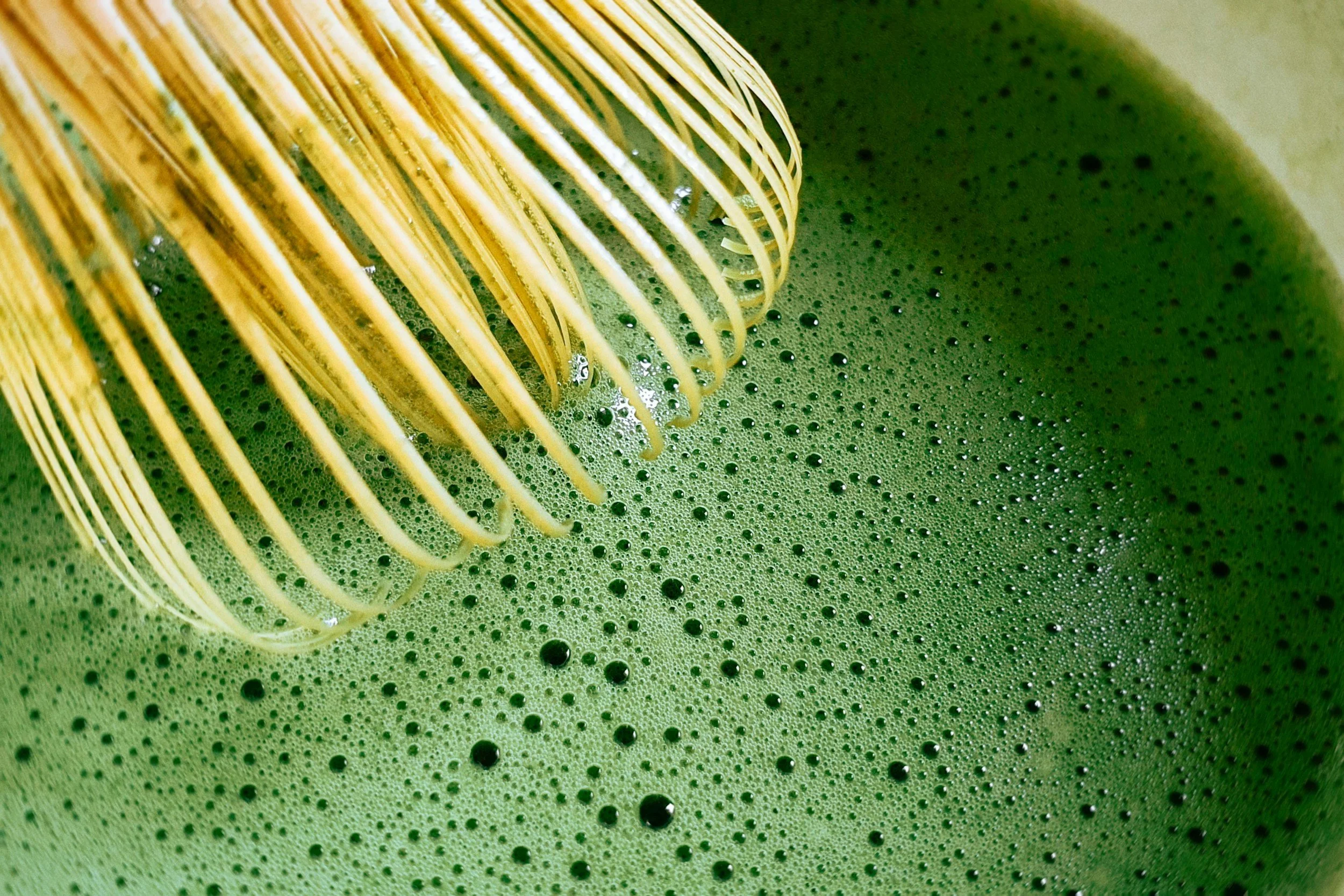
Matcha is everywhere now: cafés, drugstores, supermarkets, webshops. But not all matcha is equal, and the difference in taste and price can be huge. Here's a quick guide to choosing good matcha in Croatia and where to get it.
1. Ceremonial or culinary?
Ceremonial matcha is made from the youngest leaves. It's vivid green and smooth, without harsh bitterness, and you drink it straight (just water) or as a latte. Culinary matcha is stronger and more bitter, made for baking, smoothies and recipes. If you want a daily cup, choose ceremonial.
2. Five things to check before you buy
Origin: a Japanese region on the pack (Uji, Shizuoka, Kagoshima), not just "Japan".
Colour: bright, vivid green. Yellowish or olive means older or lower grade. See our guide Real vs fake matcha.
Certificate: EU organic means no synthetic pesticides, which matters because with matcha you drink the whole leaf.
Ingredients: matcha only. No sugar, milk powder or "matcha blend".
Freshness and packaging: airtight and dated. Matcha loses flavour fas
3. What does real matcha cost?
Good ceremonial matcha costs noticeably more per gram than culinary. If a "ceremonial" matcha is suspiciously cheap, it probably isn't. A cup needs 1–2 g, so a 25–30 g tin lasts a few weeks of daily drinking.
4. Where to buy matcha in Croatia
Specialist webshops offer the widest choice and the most information on origin and harvest.
Cafés are great for trying before you buy.
Drugstores and supermarkets are convenient, but more often sell culinary grade or blends, so check the list above.
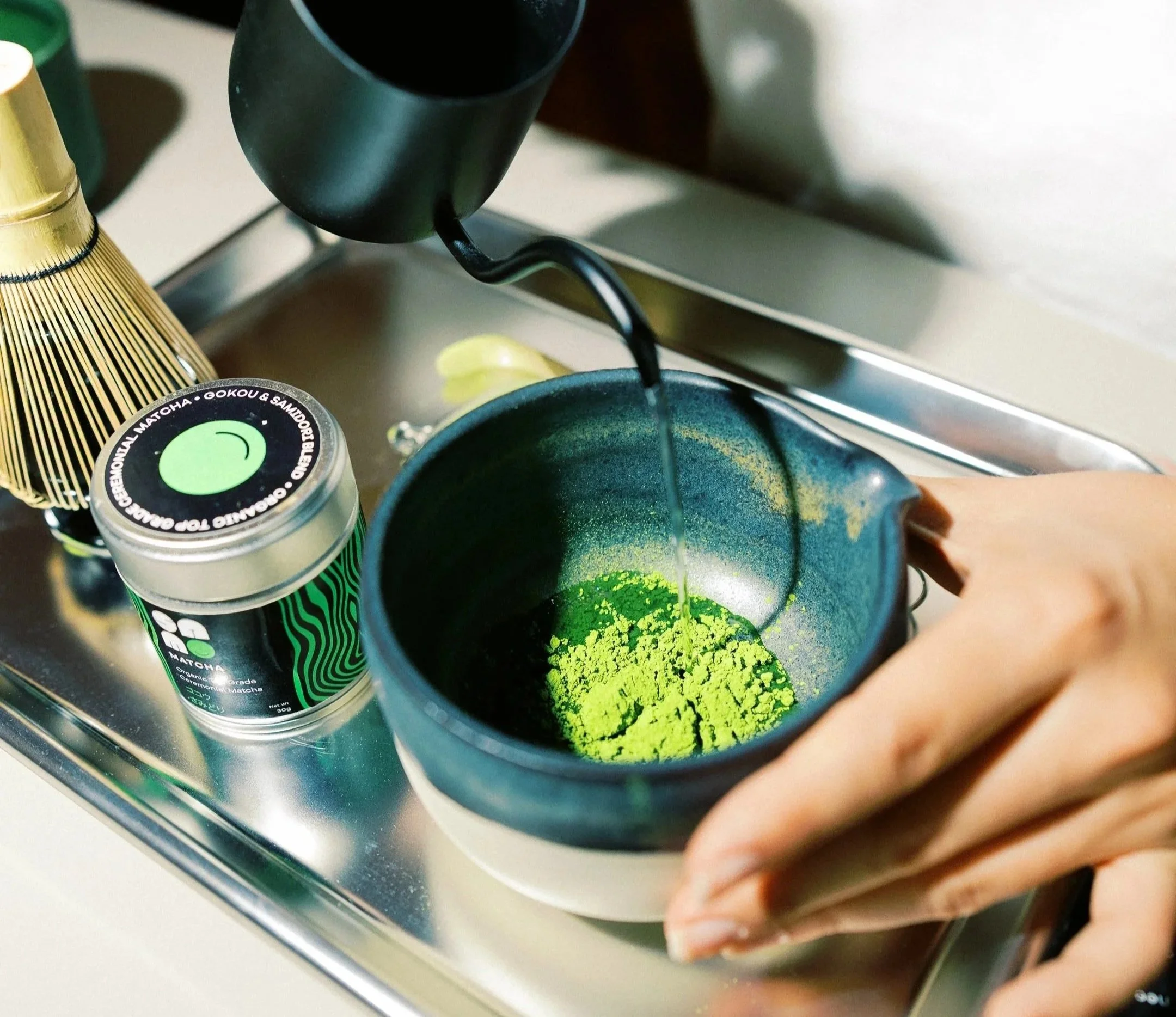
SAMO Matcha is a Croatian brand of certified organic ceremonial matcha from Uji and Shizuoka, stone-ground. Order at samomatcha.com, with free delivery over €100 across Croatia and the EU. Already have a tin? Grab a 25 g refill for €24.
5. Try before you buy: join a workshop
Every Saturday at 11:00 at SAMO Matcha Studio in Zagreb: a matcha workshop (90 min, max 6 people, €59). Learn to spot quality, whisk properly and make the perfect latte.
FAQ
-
Description text goes hOnline at samomatcha.com with delivery, or in person at our Saturday workshop at SAMO Matcha Studio.ere
-
A smooth, slightly sweet ceremonial matcha, easiest as a latte at first.
-
At 1–2 g a day, about 2–4 weeks.
-
You drink the whole ground leaf, so growing without synthetic pesticides is an extra reason to choose certified organic.
